




How to choose your Canon lens for wildlife photography
Complete Guide 2025
Choosing the right lens is always a crucial moment.
I've been there dozens of times!
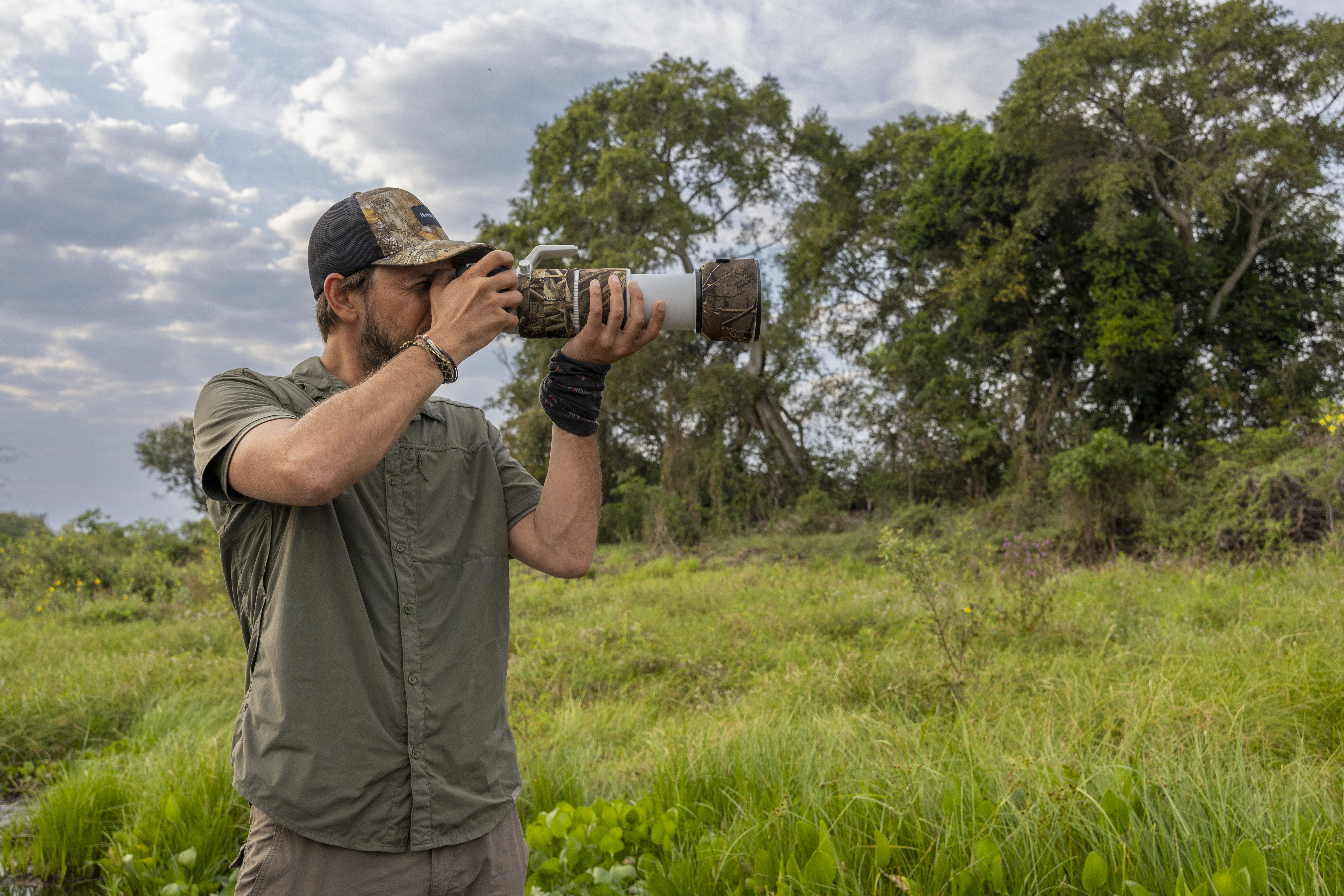
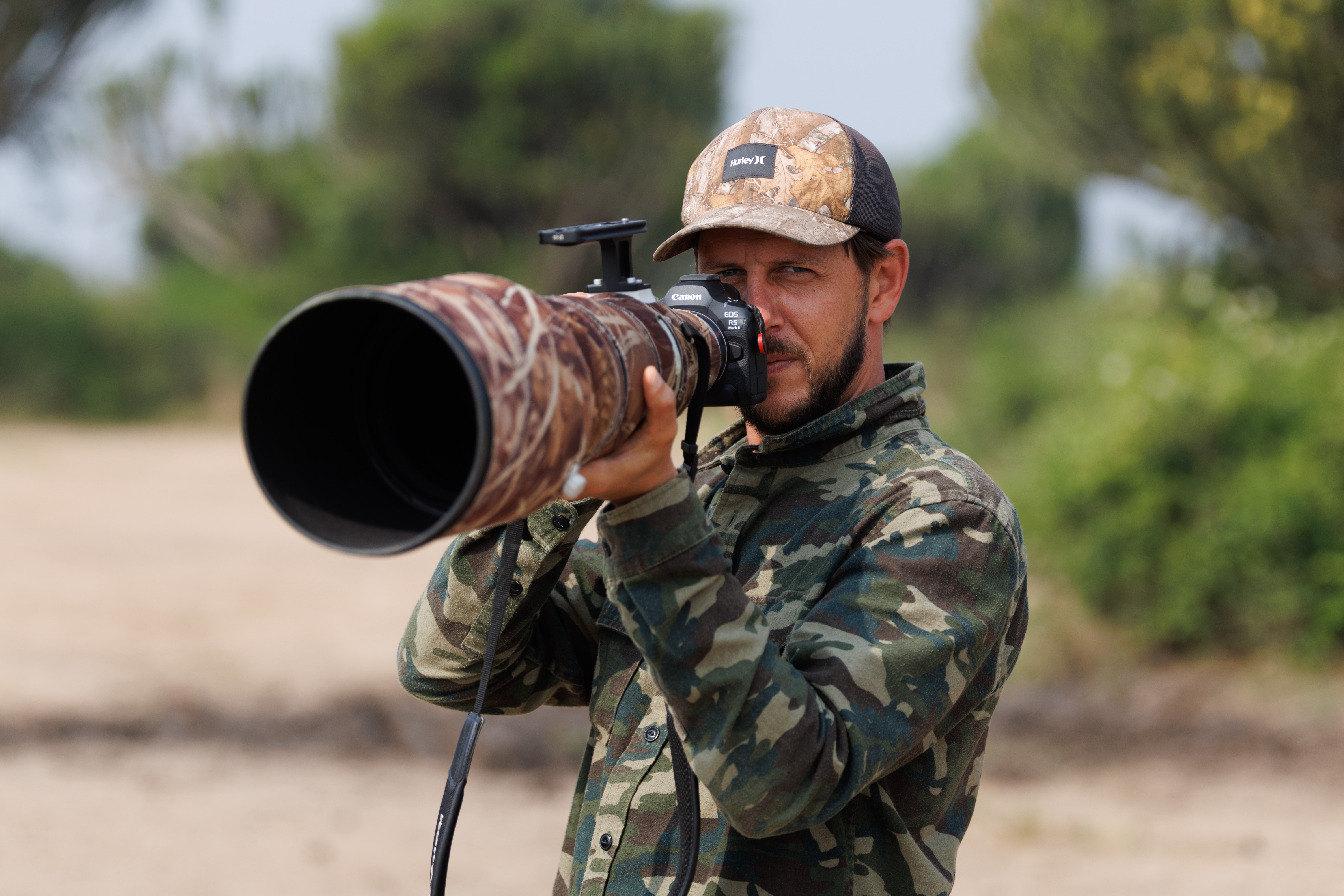
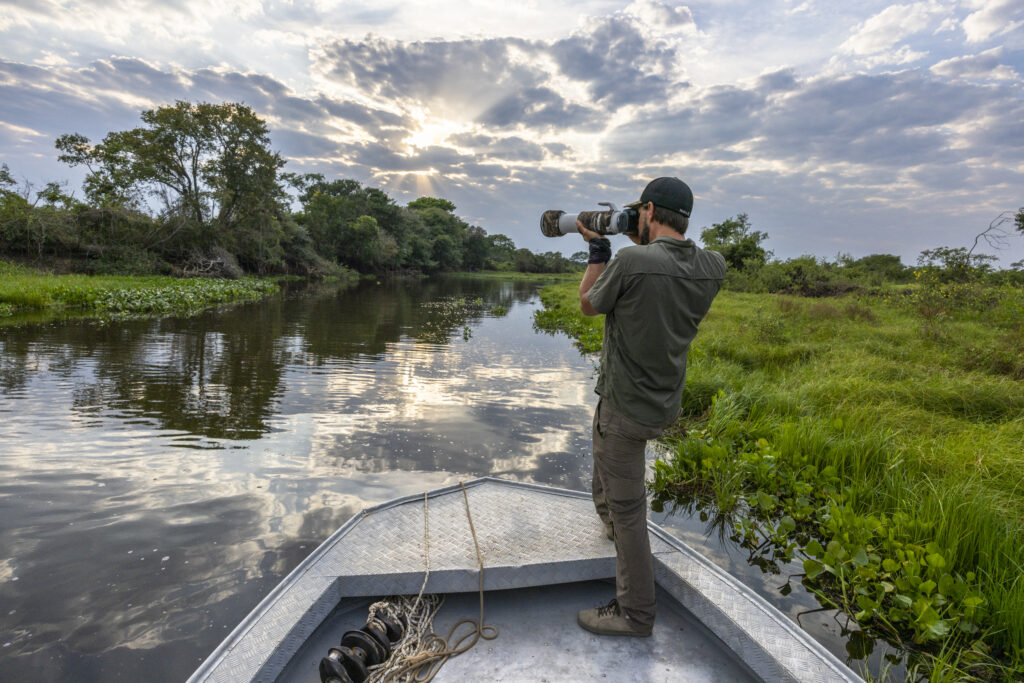
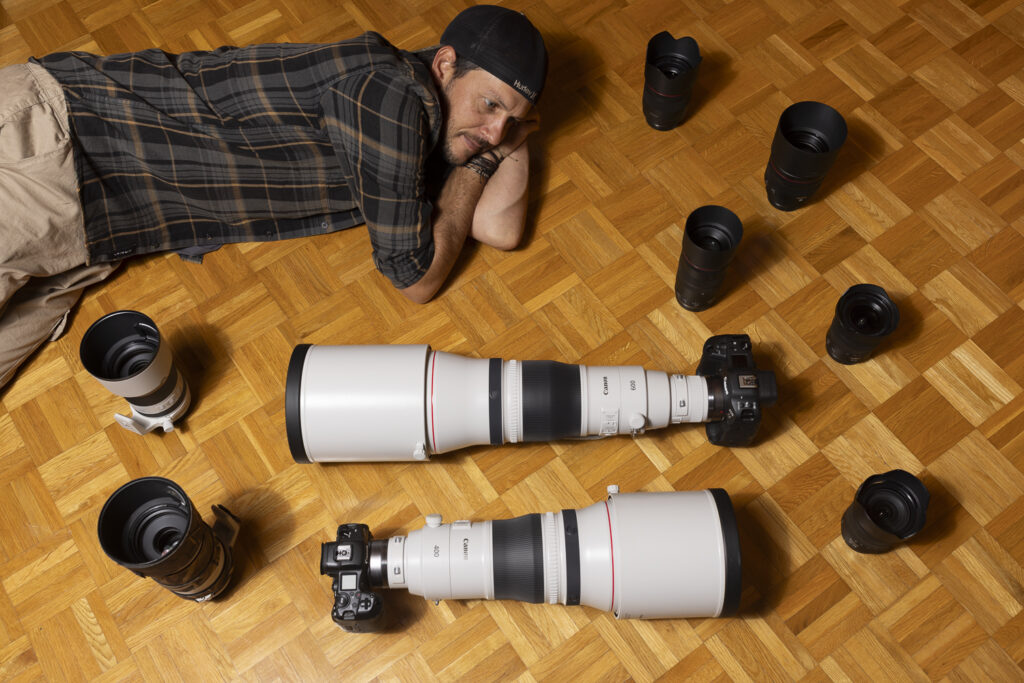
As a wildlife photographer, I’ve long dreamed of having in my hands one of Canon’s famous “big whites” – the 400mm f/2.8 or 600mm f/4 .
For years, these optics remained out of my reach because of their price. So, like many others, I started with more affordable zooms. And what do you know? They allowed me to my place in wildlife photography and, above all, to bring back some magnificent beautiful images.
Today, I finally have the chance to work with these exceptional super-telephoto lenses.
Yes, the quality is incredible. But let’s be honest: they also come with their constraints, The weight and size are not for everyone.
And even though I have access to these high-end fixed focal lengths, I still make great use of my zooms for their versatility, especially the Canon RF 100-500mm, which has become an indispensable companion on safari.
In this article, I’ll share my experience as a field wildlife photographer and give you my advice on which Canon lens to choose!
Essential criteria for choosing a Canon lens for wildlife photography
Before embarking on a lens purchase, there are a few key points to bear in mind.
In this section, I’m going to share with you the criteria that have been with me since I started out, and that can really make the difference once you’re in the field.
1.
Focal length
When it comes to wildlife photography, the focal length is undoubtedly the first criterion that comes to mind.
The more she is long, the more you can “zoom in” on your subjects from a distance. And it’s simple: having the The right focal length and distance is the key to obtaining the best image quality.
If your subject is tiny in the frame, even the best light won’t be enough to save the picture.
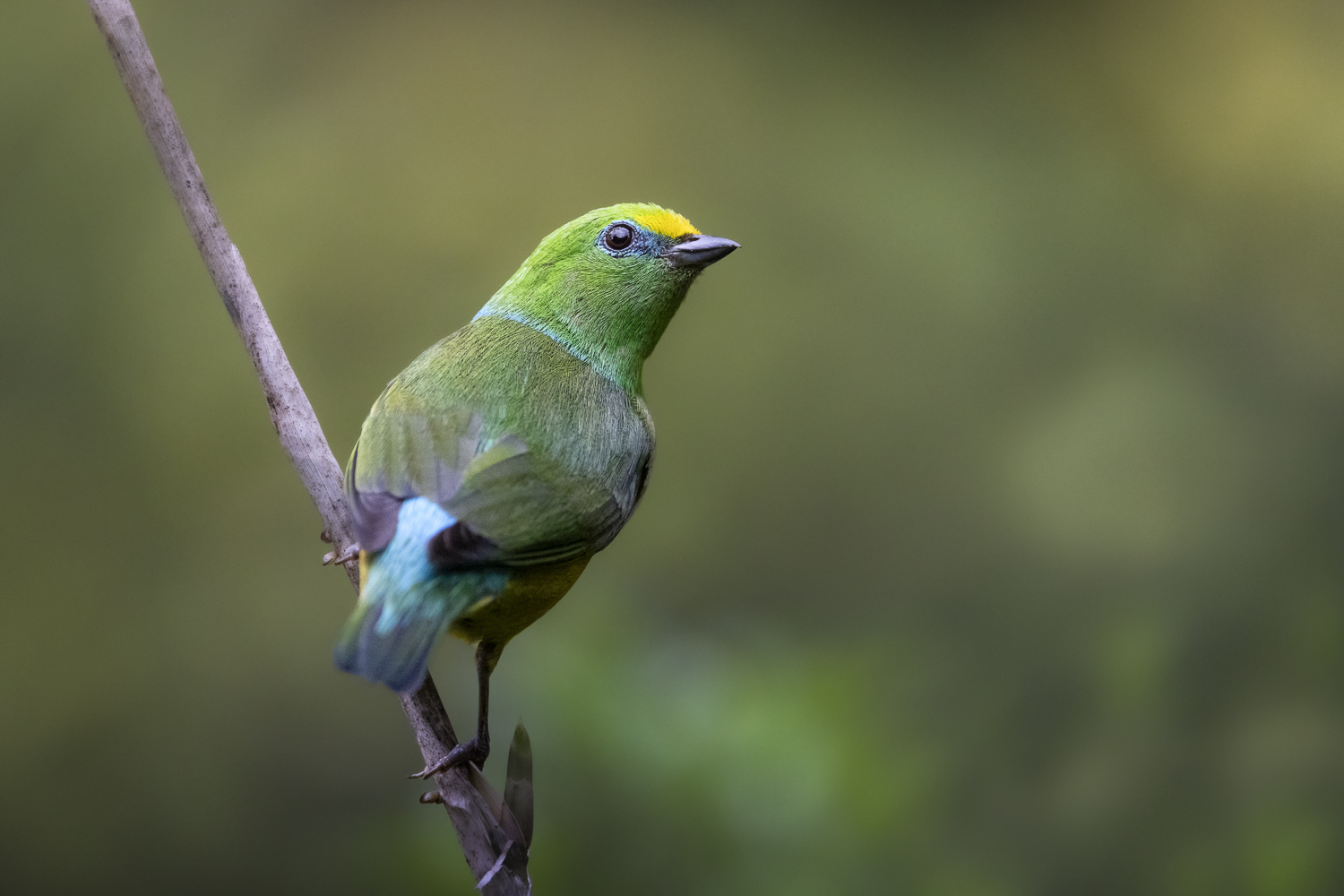
This is particularly true for birds. As they are small and often far away, focal lengths between 400 and 800mm are generally required to show them to best advantage.
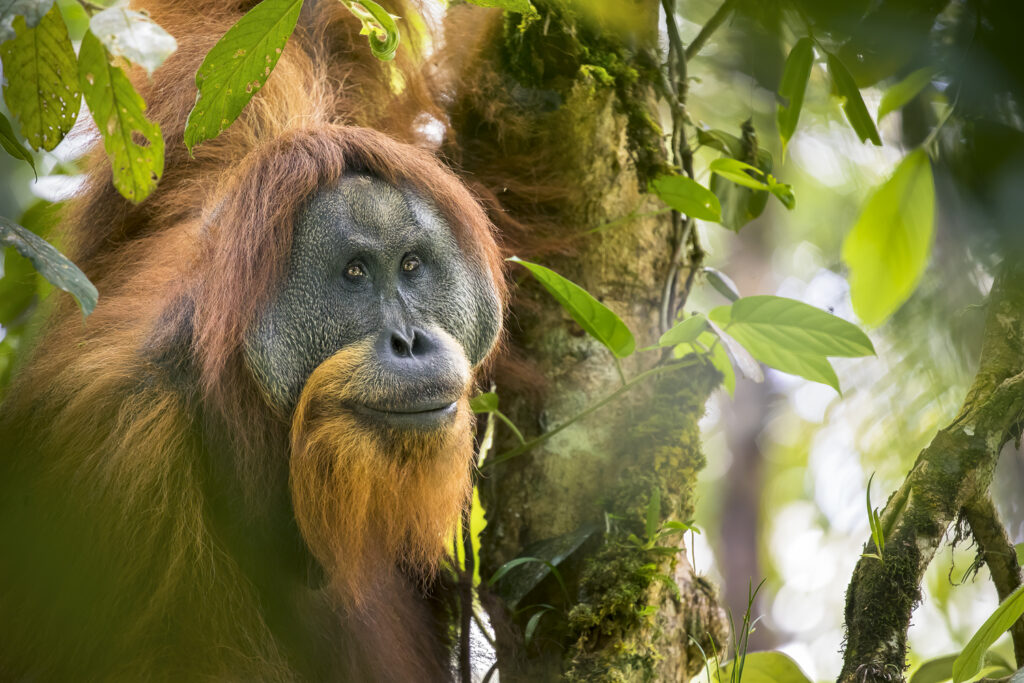
The mammalslarger and sometimes closer, can already be photographed with focal lengths between 200 and 400mm.
I myself started out with an EF 100-400mm f/4-5.6 L IS USM. This lens enabled me to bring back some superb images and to progress enormously, even though I was already dreaming of the big fixed focal lengths.
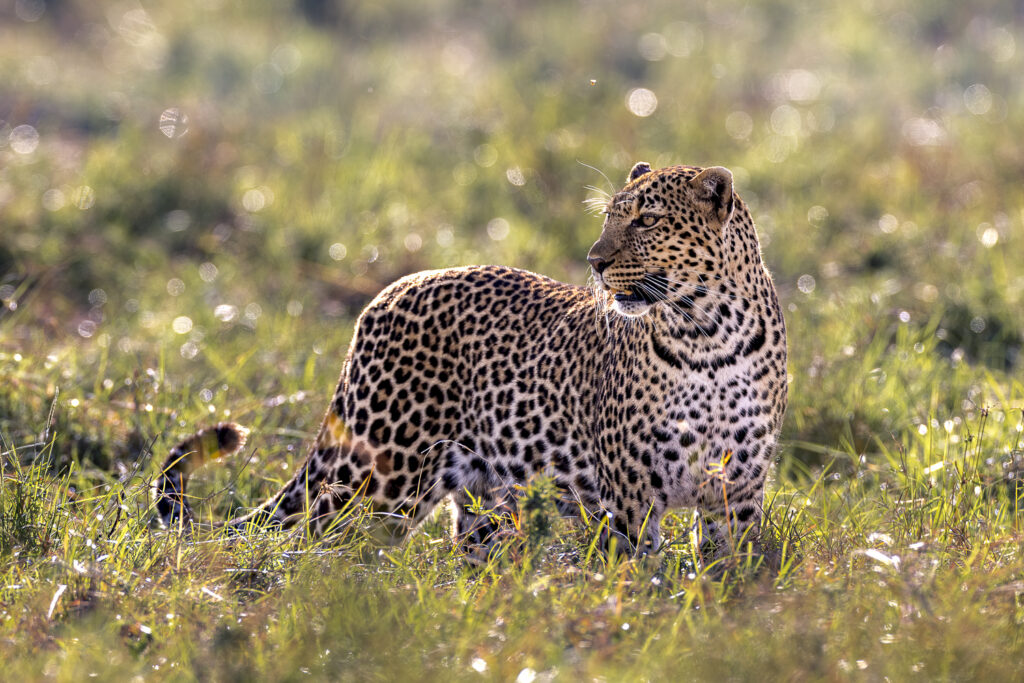
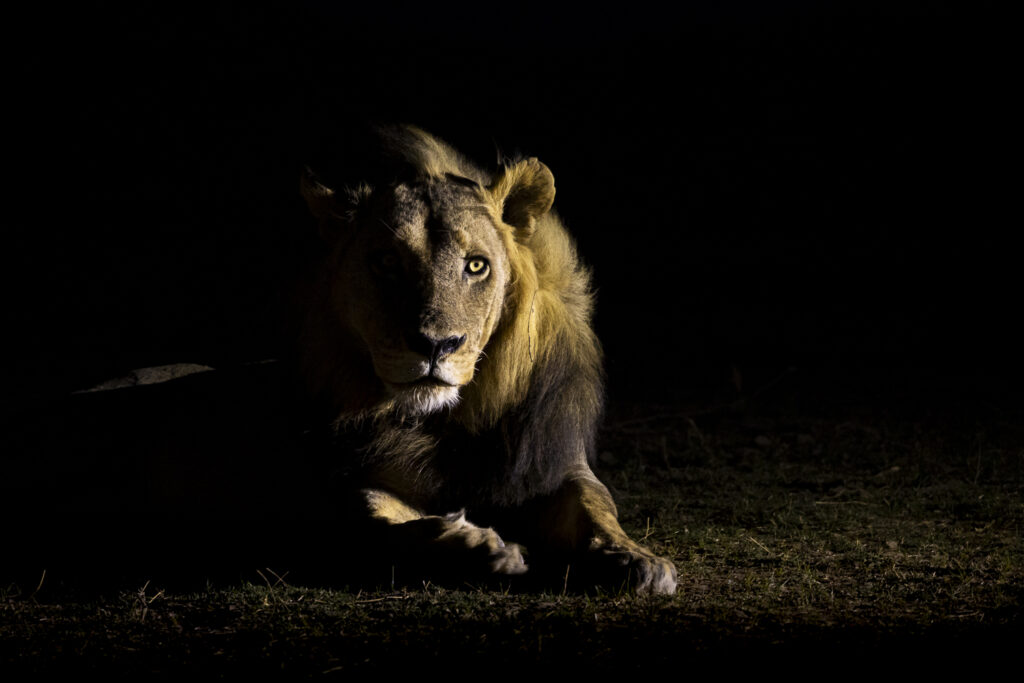
Today, with my RF600mmf/4, I can go and get the details in a lion’s eyes or photograph a small bird from a distance. But to be honest, it’s not always essential: a versatile zoom lens is still more than sufficient to create beautiful images.
Sidebar
Fixed focal length VS Zoom
Fixed focal length
(e.g. Canon RF 400mm f/2.8, RF 600mm f/4)
Benefits
- Outstanding optical quality
- Large aperture (f/2.8 or f/4) → ideal for low light + beautiful bokeh
- Superior sharpness and piquancy
- Optimum compatibility with extenders (1.4x, 2x)
Disadvantages
- Very high price
- Lightweight and compact
- Less flexibility: fixed composition, you have to move around
- Unsuitable for light travel
Zoom
(e.g. Canon RF 100-400mm, RF 100-500mm)
Benefits
- Versatility → a single optic covers several focal lengths
- Lighter and more compact than "big whites
- Ideal for travel, safari, the unexpected
- A much more affordable budget
Disadvantages
- Smaller aperture (f/5.6, f/7.1, even f/11) → less good in low light
- Less background blur (bokeh)
- Optical quality a notch below that of fixed focal lengths (but today's high-end zooms are still excellent).
Field tip:
Personally, I use both. When I want total flexibility on safari or travel, I carry a zoom lens like the RF 100-500mm.
But for certain specific projects where I’m looking for maximum quality (big cats, rare birds), fixed focal lengths remain unbeatable.
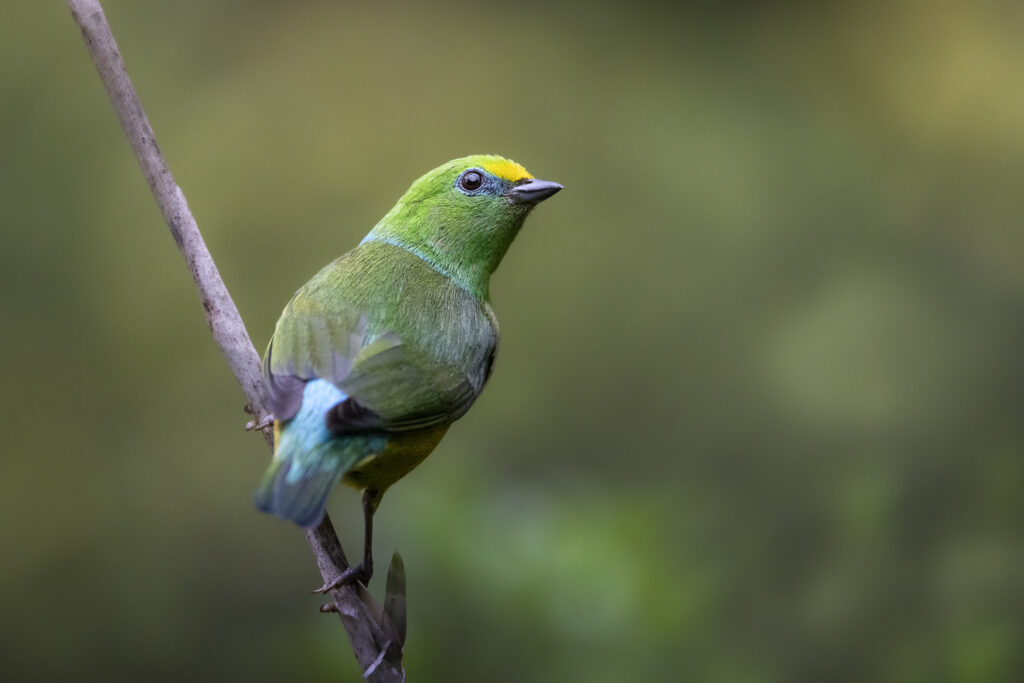
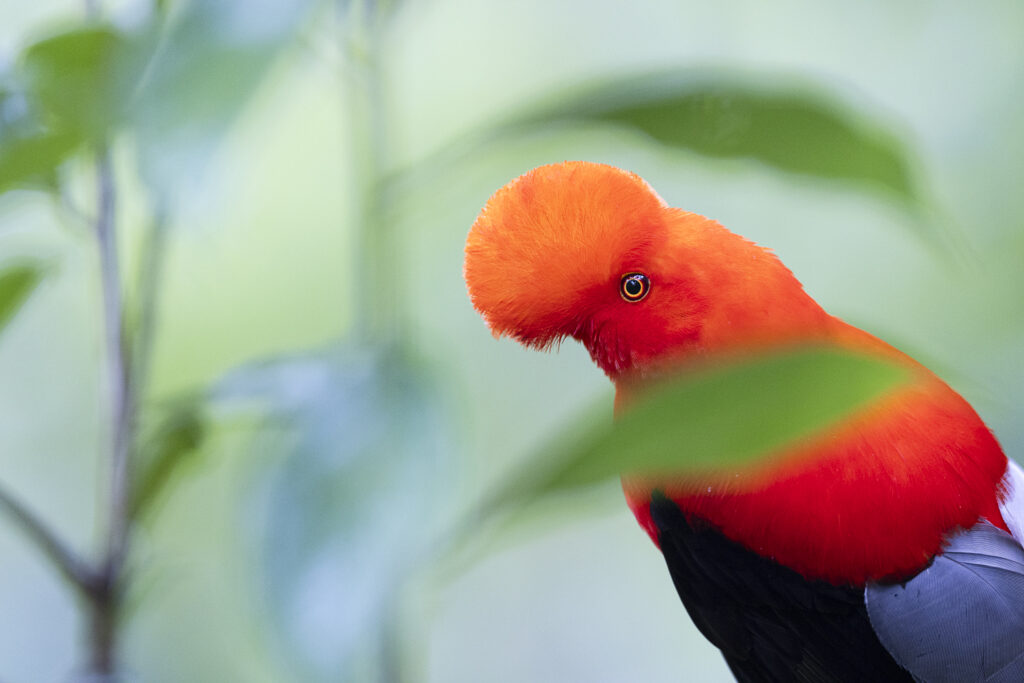
Coq de roche péruvien – Andean Cock-of-the-rock (Rupicola peruvianus) male – Close up portrait – Dagua, Valle del Cauca, Colombia
2.
The opening
The aperture is simply the amount of light your lens lets through.
The larger the aperture, the more light the sensor receives.
In concrete terms, an f/2.8 or f/4 lets in a lot of light, while at f/9 or f/11, the amount is much smaller.
And yes, it’s a bit counter-intuitive:
small number = large aperture, large number = small aperture.
Not very practical, I know 😅.
In wildlife photography, light is a constant juggling act.
And quite often, you have to deal with limited light: undergrowth, cloudy days, first or last light.
In all these situations, a wide aperture becomes invaluable: it allows you to keep sufficient speed to freeze movements, and as a bonus it offers that famous background blur (bokeh ) that highlights the animal and detaches it from its surroundings.
For my part, I love working with an f/2. 8 on specific projects – for example, in the rainforest, or when I want to isolate an animal with creamy bokeh. But beware:
a grand opening is not always forgiving…
Educational box
Pay attention to depth of field
- The larger the aperture, the smaller the zone of sharpness.
- At f/2.8, depth of field can be tiny.
- As a result, it's very easy to miss focusing on the animal's eye.
- In wildlife photography, precision is crucial: a slight shift and you've missed the shot.
Field tip:
Even if an f/2.8 aperture makes you dream, I take most of my images with more modest apertures (f/5.6, f/7.1).
They are more tolerant, and the photos are no less successful.
The secret is to find the right compromise between light, sharpness and composition.
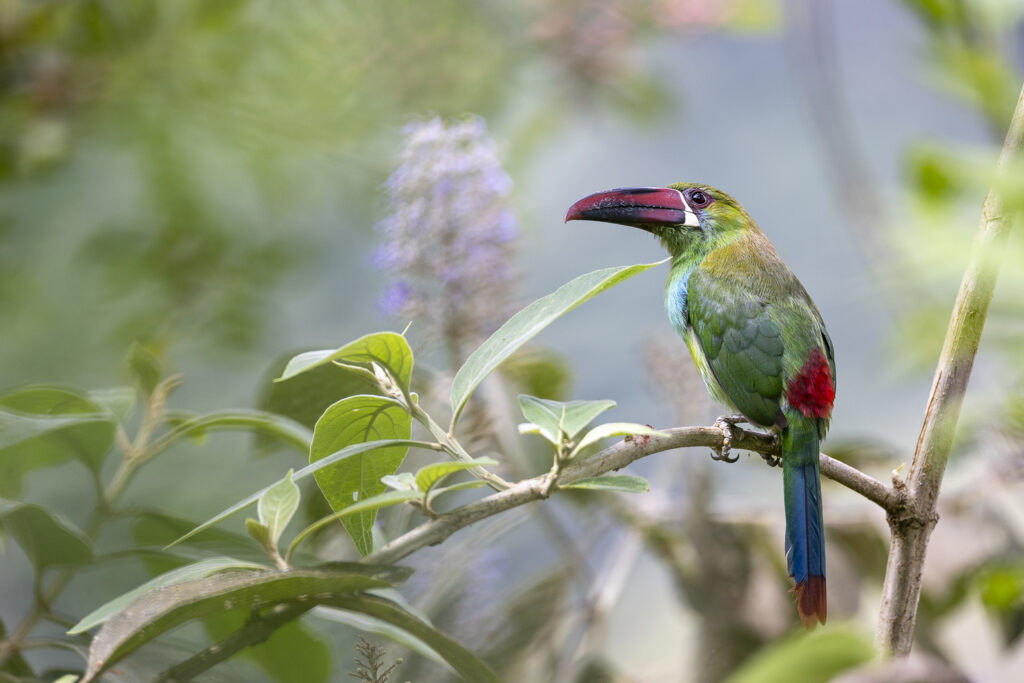
Red-rumped toucanet (Aulacorhynchus haematopygus) – Dagua, Valle del Cauca, Colombia
3.
Weight and dimensions
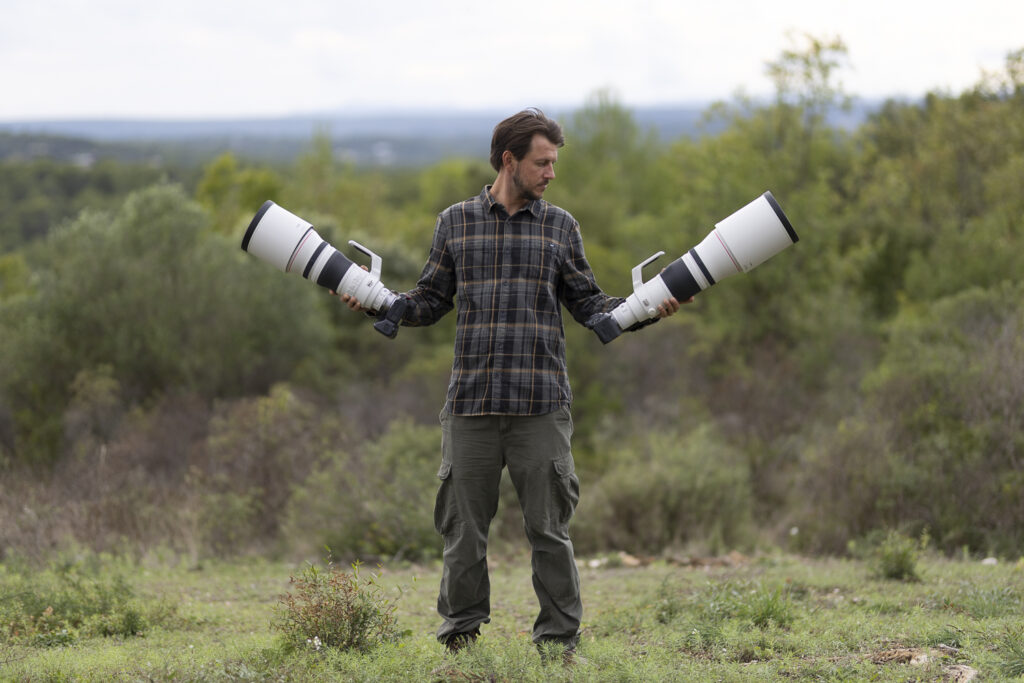
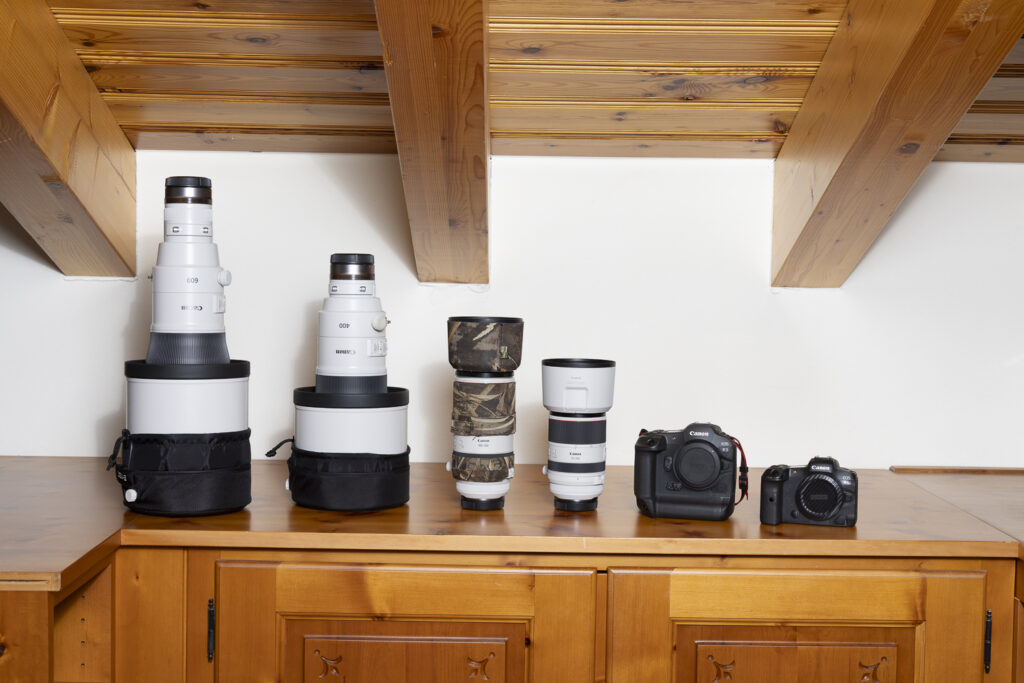
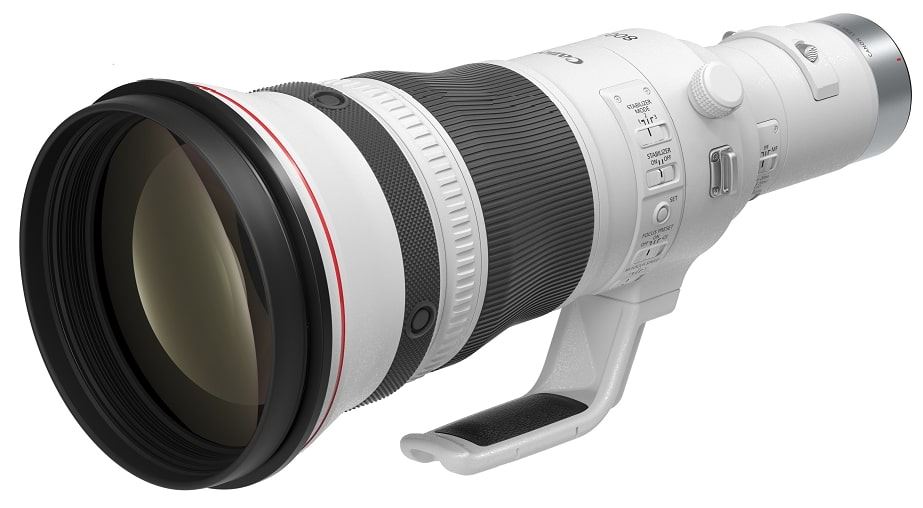
It’s a criterion easily forgotten when dreaming in front of big lenses. Let’s take an example: the Canon RF 600mm f/4 L IS USM weighs around 3.1 kg.
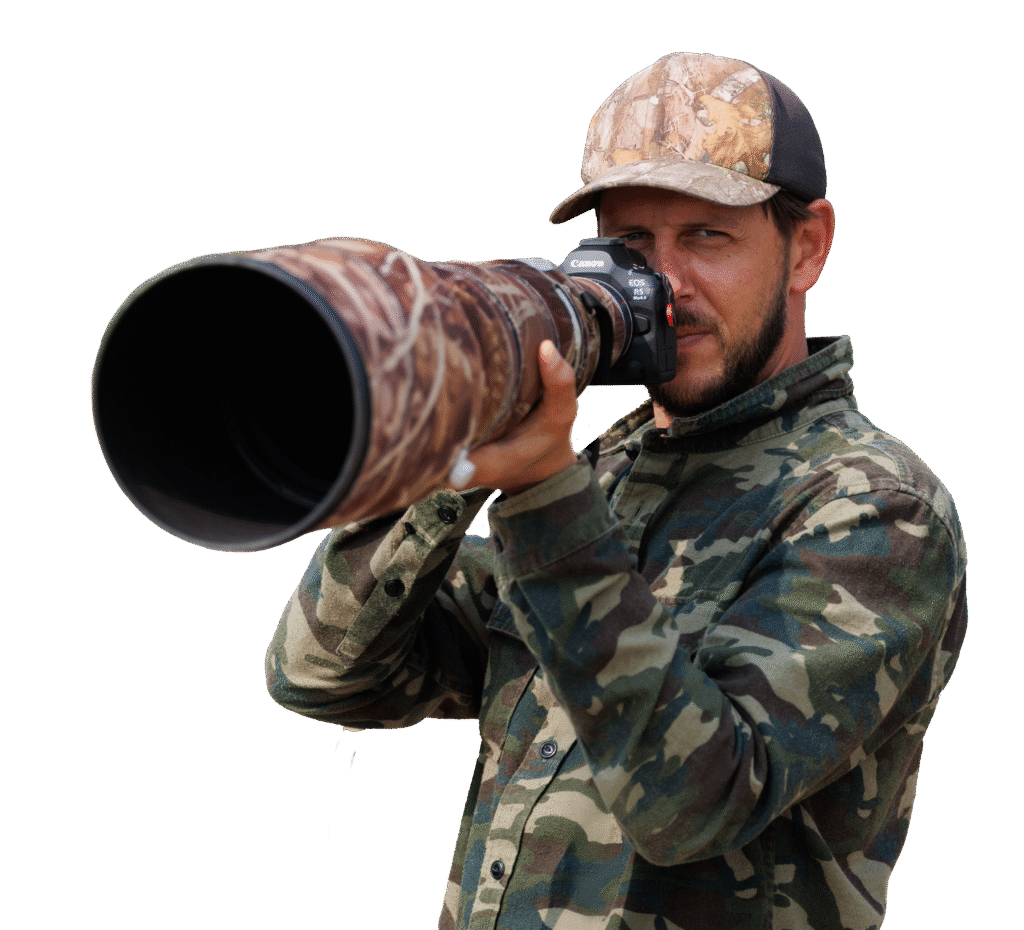
Add a pro camera like the R5 or R3, and you’re looking at 4 to 5 kilos at arm’s length. Believe me, after a full day on safari or trekking, you can feel it!
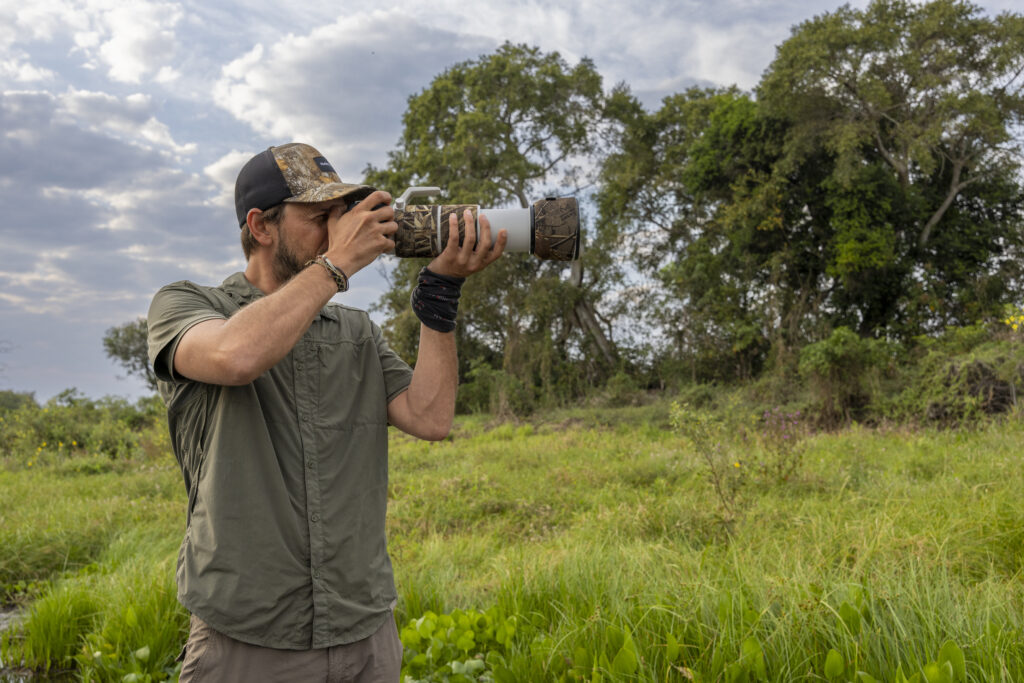
And since I rarely work with a tripod, I often shoot freehand.. Result: holding this kind of combo for hours on end, it’s clearly sport. It’s even a bit like my musculation à moi 😅.
That’s why, if you want to travel light or remain flexible, a more compact zoom is often the best option.
Field tip:
With my RF 100-500mm, I feel as light as a feather , and can walk or shoot for hours on end without breaking my back.
On a “car” safari in Africa, the situation is a little different: you don’t really have to carry your equipment all day, but rather carry it and travel with it.
And that, too, counts when choosing your equipment.
4.
Budget
Let’s be clear: wildlife photography can be expensive.
Fortunately, there are Canon lenses to suit every budget – and even the most affordable models are capable of producing beautiful images.
Less than €1,500
There are some very interesting zooms and telephoto lenses for beginners .
The Canon RF 100-400mm f/5.6-8 IS USM is lightweight, versatile and affordable.
The new Canon RF 200-800mm f/6.3-9 IS USM offers incredible reach for its price.
Finally, the Canon RF 600mm f/11 IS STM is asurprising option : compact, lightweight and perfect for birds, even if it does impose a few limitations (fixed aperture and low light).
Between €2,000 and €4,000
We’re entering a range that’s already very high-end.
The Canon RF 100-500mm f/4.5-7.1 L IS USM is without doubt today’s best compromise : outstanding optical quality, enormous versatility and still reasonable weight .
At this price, it’s a lens that will easily accompany a photographer for years to come.
Over €4,000
Welcome to the world of super-telephoto pro lenses, nicknamed “great whites”.
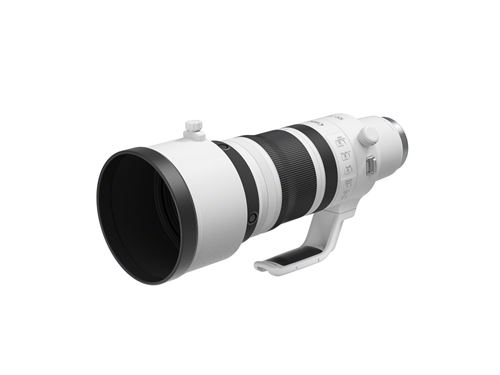
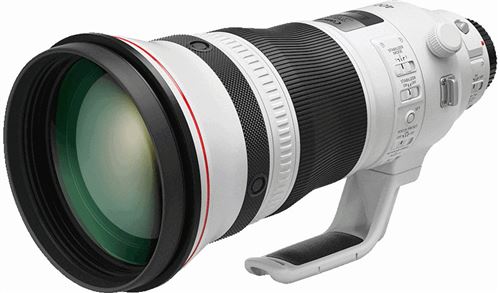
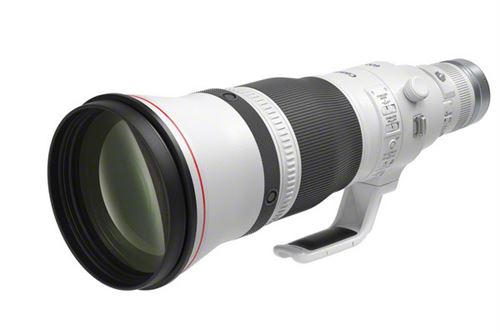
The Canon RF 400mm f/2.8 L IS USM, the Canon RF 600mm f/4 L IS USM and the Canon RF 800mm f/5.6 L IS USM represent the top of the range.
Incredible optics in terms of image quality, sharpness and bokeh. bokeh… but also a colossal investment, reserved for enthusiasts or professionals who use them.
Budget
and Canon RF optics
<1500 €
- RF 100-400mm f/5.6-8 IS USM
- RF 200-800mm f/6.3-9 IS USM
- RF 600mm f/11 IS STM
- RF 800mm f/11 IS STM
2000 € - 4000 €
- RF 100-500mm f/5.6-8 IS USM
>4000 €
- RF 400MM f/2.8 L IS USM
- RF100-300 f2.8
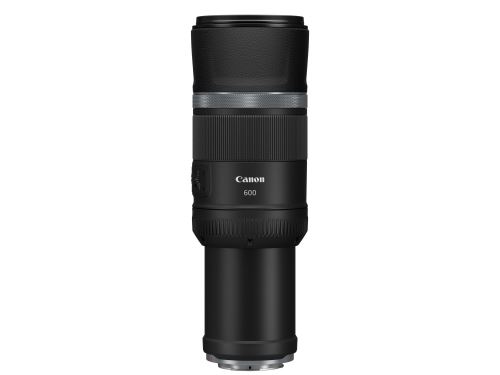
- RF 600mm f/4 L IS USM
- RF 800mm f/5.6 L IS USM
Budget
and Canon RF optics
Field tip:
Don’t wait until you’ve got the “grail” to get started. I myself started out with more modest lenses, and they enabled me to make progress, experience unforgettable encounters and create powerful images.
Don’t let budget stand in the way of your passion.
Comparison table
Which Canon RF lens best suits your budget and wildlife photography needs?
Choosing a lens can quickly become a headache: budget, type of subject, field conditions… every parameter counts.
To make your life easier, I’ve put together this crosstab to help you visualize which Canon RF lens is best suited to your wildlife photography needs and budget.
The idea is simple:
● In the columns, three price ranges to help you find your way around.
● In lines, the main contexts and subjects in wildlife photography (birds…),
mammals, safari, macro, etc.).
This table is not an absolute truth – in photography, there are always several possible paths – but it is a practical guide based on my field experience with Canon RF optics.
I’ve included everything from all-purpose zooms to pro super telephoto lenses, not forgetting special cases like low-light rainforests and light travel.
| Topics / Practices | < 1500 € | 1500 - 4000 € | > 4000 € |
|---|---|---|---|
![]() Birds
|
|
||
![]() Mammals
|
|
||
![]() Safari
|
|
||
![]() Macro
|
|||
![]() Tropical forest / low light
|
|
||
![]() Light travel / hiking
|
|||
![]() High-end pro
|
|
Mini-detail sheet
by objective
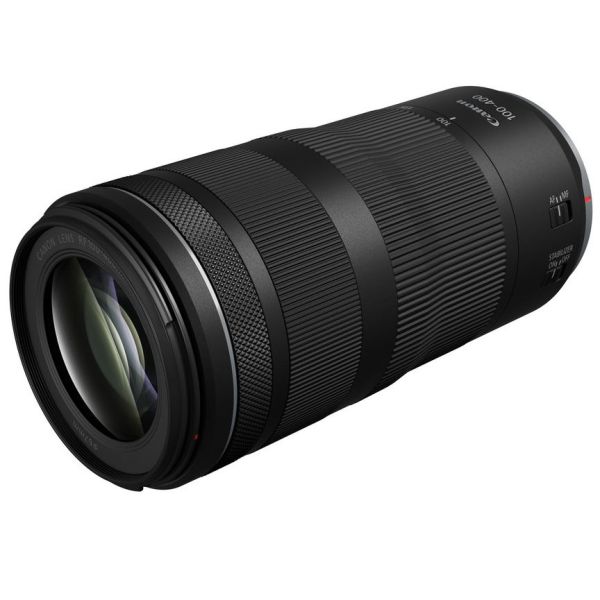
The Canon RF 100-400mm f/5.6-8 IS USM is a lightweight, compact and very affordable zoom lens.
This is often the first real telephoto lens I recommend to anyone wanting to get started in wildlife photography with the RF mount. Despite its rather modest aperture, it offers good reach and image quality that’s more than enough to progress and capture superb scenes.
Highlights
- Lightweight (only 635 g) → perfect for traveling light or hiking.
- Effective stabilization (5.5 stops) → practical freehand.
- Fast, silent autofocus.
- Unbeatable value for money in the RF range.
Ideal for whom?
- Beginning wildlife photographers.
- Those who want a lightweight, versatile lens for hiking or travel.
- An excellent option for mammals, but also for medium-sized birds.
Price guide
Approx. 800 – 900 € (new).
Canon RF 200-800mm f/6.3-9 IS USM
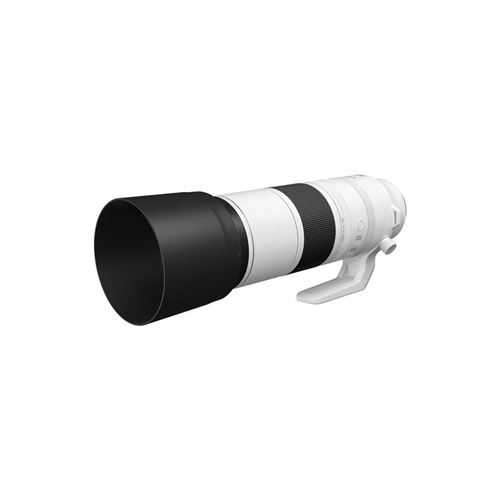
Recently released, the Canon RF 200-800mm f/6.3-9 IS USM is a revolution. It offers an incredible focal range at an affordable price. Admittedly, it’s not very bright, but it opens the door to ultra-telephoto lenses to a wide audience.
Highlights
- Range from 200 to 800mm → perfect for birds.
- Competitive price for such a focal length.
- Integrated stabilization.
- Good optical quality for its range.
Ideal for whom?
Bird lovers, safaris, photographers who want maximum range without breaking the bank.
Price guide
~2300 €
Canon RF 600mm f/11 IS STM
The Canon RF 600mm f/11 IS STM is an amazing lens: ultra-light for its focal length, affordable, but limited by its fixed f/11 aperture. It remains an excellent compromise for discovering long-range wildlife photography.
Highlights
- Ultra-compact and lightweight (only 930 g).
- Efficient stabilization.
- Affordable price.
- Ideal with a recent camera (high ISO).
Ideal for whom?
Beginners, bird lovers, light travelers.
Price guide
~850 €
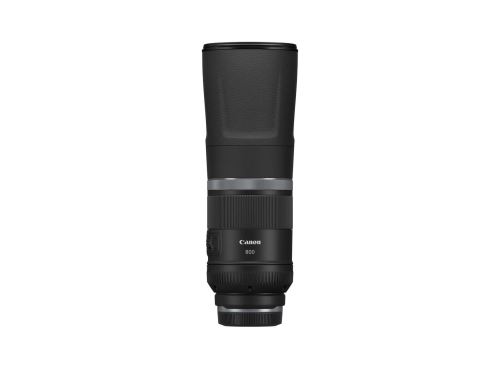
Canon RF 800mm f/11 IS STM
Description
The 600mm’s big brother, the Canon RF 800mm f/11 IS STM, pushes the range even further. Compact and affordable, it’s still restrictive in low light, but formidable in daylight for searching out the most distant birds.
Highlights
- Extreme range (800mm).
- Weight content (1260 g).
- Attractive price.
- Efficient stabilization.
Ideal for whom?
Passionate bird photographers, daytime safaris, light birding.
Price guide
~1100 €
Canon RF 100-500mm f/4.5-7.1 L IS USM
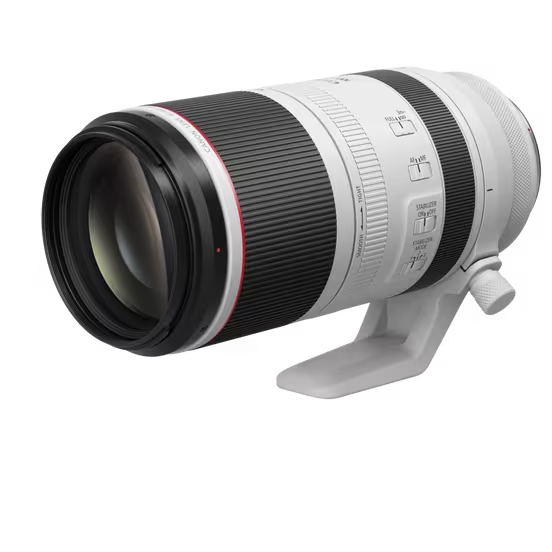
The Canon RF 100-500mm f/4.5-7.1 L IS USM is one of the most versatile zooms in our range. It offers excellent optical quality, an ideal focal length range and a still reasonable weight. It’s a lens I use a lot on safari.
Highlights
- Quality L → exceptional sharpness.
- 100-500mm focal length range ideal for wildlife photography.
- Efficient stabilization.
- Relatively light (1370 g).
Ideal for whom?
Travelers, multi-talented photographers, safaris, medium-sized birds.
Price guide
~3300 €
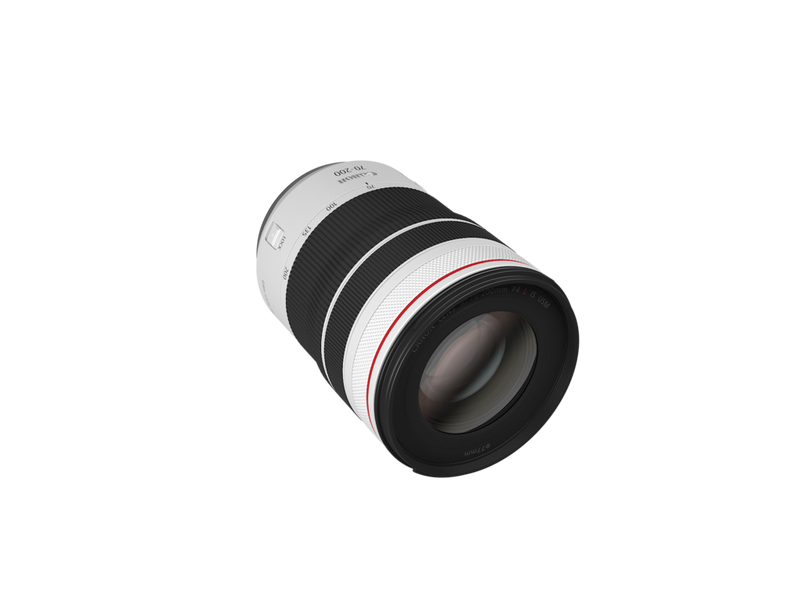
Canon RF 70-200mm f/4 L IS USM
Compact and lightweight, the Canon RF 70-200mm f/4 L IS USM is perfect for safaris or trips where weight is a priority.
Less luminous than its big brother at f/2.8, it remains very powerful.
Highlights
- Low weight (695 g).
- Quality L.
- Fast autofocus.
- Excellent travel option.
Ideal for whom?
Travelers, safaris, nearby mammals.
Price guide
~2100 €
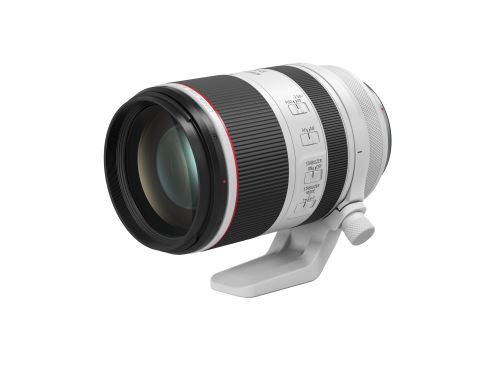
Canon RF 70-200mm f/2.8 L IS USM
The Canon RF 70-200mm f/2.8 L IS USM is a luminous pro lens, perfect for rainforests or low-light situations. It’s heavier than the f/4 version, but delivers spectacular results.
Highlights
- Bright f/2.8 aperture.
- Impeccable L quality.
- Fast autofocus.
- Creamy bokeh.
Ideal for whom?
Rainforest photography, low light, mammals.
Price guide
~3100 €
Canon RF 100-300mm f/2.8 L IS USM
The Canon RF 100-300mm f/2.8 L IS USM is a unique lens. Constant zoom at f/2.8, it combines versatility and luminosity. It’s a beast of a lens, but at a very high price.
Highlights
- Constant f/2.8 zoom.
- Incredible optical quality.
- Compatible with extenders.
- Professional construction.
Ideal for whom?
Professionals, high-end sports and wildlife photographers.
Price guide
~12 000 €
Canon RF 400mm f/2.8 L IS USM
The Canon RF 400mm f/2.8 L IS USM is one of the most legendary super telephoto lenses. Exceptional optical quality, luminous aperture, but very heavy and expensive.
Highlights
- Incredible f/2.8 aperture.
- Superb sharpness and color rendering.
- Extender-compatible.
- Ideal for low light.
Ideal for whom?
Pros, stalking, photo contests, sports and large mammals.
Price guide
~13 000 €
Canon RF 600mm f/4 L IS USM
The Canon RF 600mm f/4 L IS USM is a must-have for professional wildlife photographers. Powerful and bright, it enables you to capture the finest details at long distance.
Highlights
- Ultimate optical quality.
- Bright f/4 aperture.
- Extender-compatible.
- Efficient stabilization.
Ideal for whom?
Wildlife pros, bird and mammal watching from afar.
Price guide
~14 000 €
Canon RF 800mm f/5.6 L IS USM
The Canon RF 800mm f/5.6 L IS USM is designed for birding and long-distance stalking enthusiasts. Ultra-specialized, it offers incredible range, but requires mastery and a substantial budget.
Highlights
- Extreme reach.
- Pro optical quality.
- Efficient stabilization.
- Extender-compatible.
Ideal for whom?
Bird specialists, stalking pros.
Price guide
~20 000 €
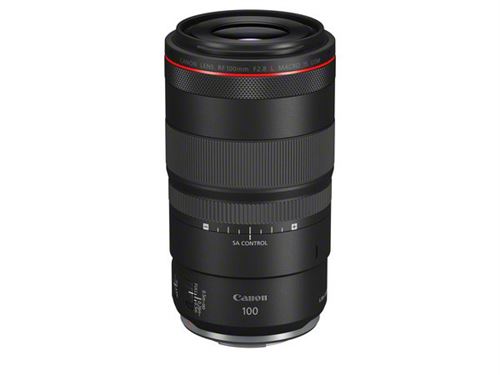
Canon RF 100mm f/2.8 L Macro IS USM
The Canon RF 100mm f/2.8 L Macro IS USM is the RF-mount macro reference. It lets you explore a fascinating universe: insects, frogs, reptiles, flowers…
Highlights
- Quality L.
- Efficient stabilization.
- Up to 1.4x magnification.
- Bright f/2.8 aperture.
Ideal for whom?
Macro enthusiasts, naturalists, creative photographers.
Price guide
~1600 €
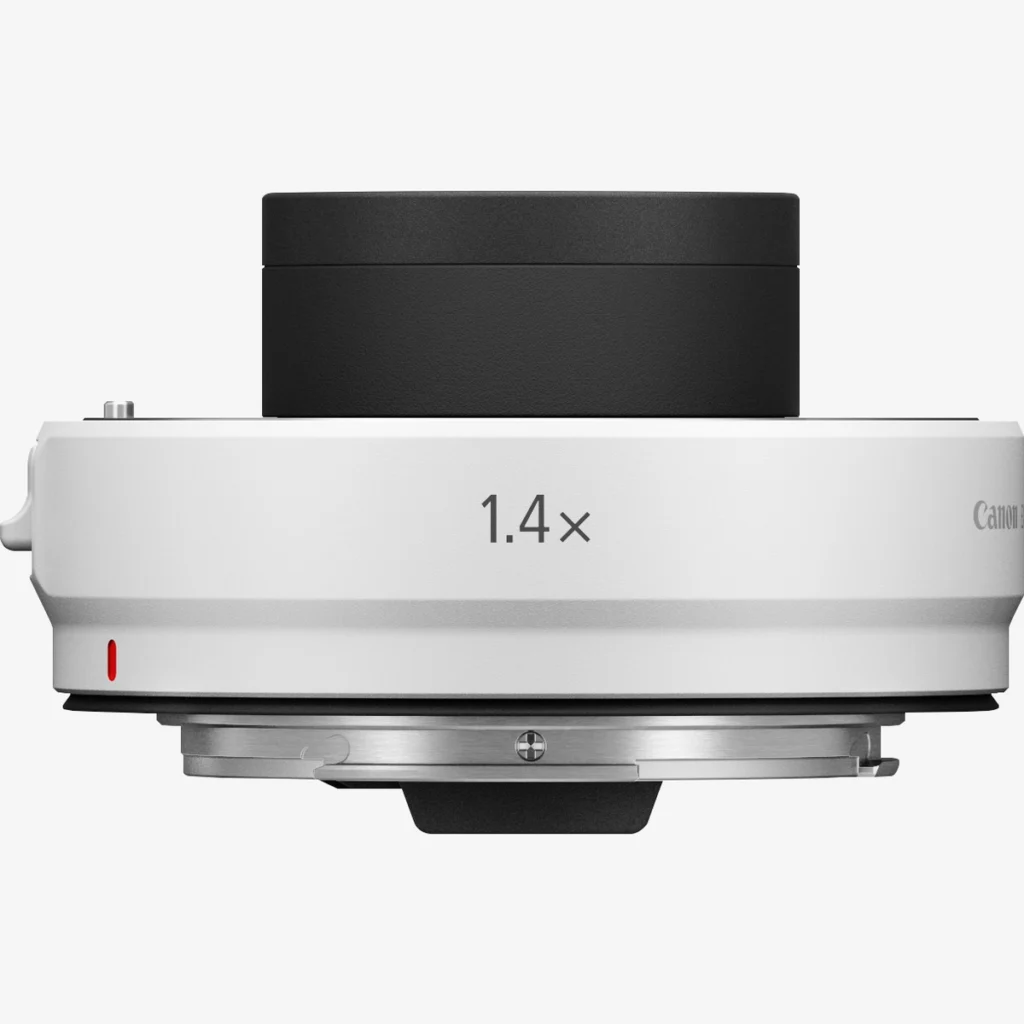
Canon Extender RF 1.4x & 2x
RF 1.4x and 2x extenders extend the reach of your compatible telephoto lenses without changing lenses. They reduce brightness a little, but remain a practical solution for increasing focal length.
Highlights
- Extends focal length (×1.4 or ×2).
- Compact and lightweight.
- Compatible with large whites and RF 100-500mm.
Ideal for whom?
Photographers who want more range without investing in a new lens.
Price guide
1.4x ~650 € | 2x ~750 €
FAQ
Frequently asked questions about Canon RF animal lenses
The Canon RF 100-400mm f/5.6-8 IS USM is the most affordable choice for getting started.
Lightweight, compact and affordable, it can already cover a wide variety of situations without breaking the bank.
👉 The Canon RF 100-500mm f/4.5-7.1 L IS USM is probably the most balanced.
Long enough for birds, wide enough for nearby mammals, with professional image quality.
This is my favorite on safari with the 200-800mm.
👉 For most birds, you’ll need at least 400mm to get the subject right in the image.
From 500mm to 600mm, you can really start to isolate details, especially on small passerines.
And if you want to go after very shy or tiny species, then an 800mm becomes almost indispensable.
👉 A zoom lens (100-500mm, 200-800mm…) is more versatile, as you can frame quickly by changing focal length.
A fixed focal length (600mm f/4, 800mm f/5.6…) on the other hand offers better optical quality and a wide aperture,
but at the price of weight, budget and flexibility.
👉 Yes, if you want to travel light and have a long focal length at a low price. Their limit is light:
they’re reserved for well-lit scenes. But for less than €1,200, they’re a great entry
into the world of long focal lengths.
👉 It depends on your level:
- Beginners: €800 to €1,500 (RF 100-400mm, RF 600mm f/11).
- Enthusiasts: €2,000 to €4,000 (RF 200-800mm, RF 100-500mm).
- Pros: €10,000 and up (RF 400mm f/2.8, RF 600mm f/4, RF 800mm f/5.6).
👉 Yes, I do it all the time; but you have to get organized. Most great whites fit in the cabin if you have a suitable camera bag.
On a car safari, no problem, but on a trek or in a low-cost plane, it becomes a real constraint.
In these cases, a 100-500mm or 200-800mm is much more practical.
Conclusion
Choosing your pet lens is a matter of compromise.
Choosing a lens for wildlife photography is not just a question of technique or budget, it’s above all a question of compromise between your desires, your means and your field conditions. I’ve long dreamed of super telephoto lenses, and today I’m lucky enough to work with them. But I also know that a good zoom, used with passion and creativity, can produce incredible images.
The important thing is to find the right lens for your needs: a 100-400mm lens for beginners, a 100-500mm lens for everything, or a 600mm f/4 lens for excellence. Each lens has its strengths, and it’s up to you to decide which one will become your companion in the field.
If this article has helped you, please feel free to explore the detailed lens sheets I’ve featured. And if you go through my links, it’s a great way to support my work as a wildlife photographer while finding the right equipment for your needs.
In short: more than the equipment, it’s your eye, your patience and your passion that will make the difference in your images. So equip yourself intelligently, and set off to meet the wildlife with a smile and a desire to marvel.